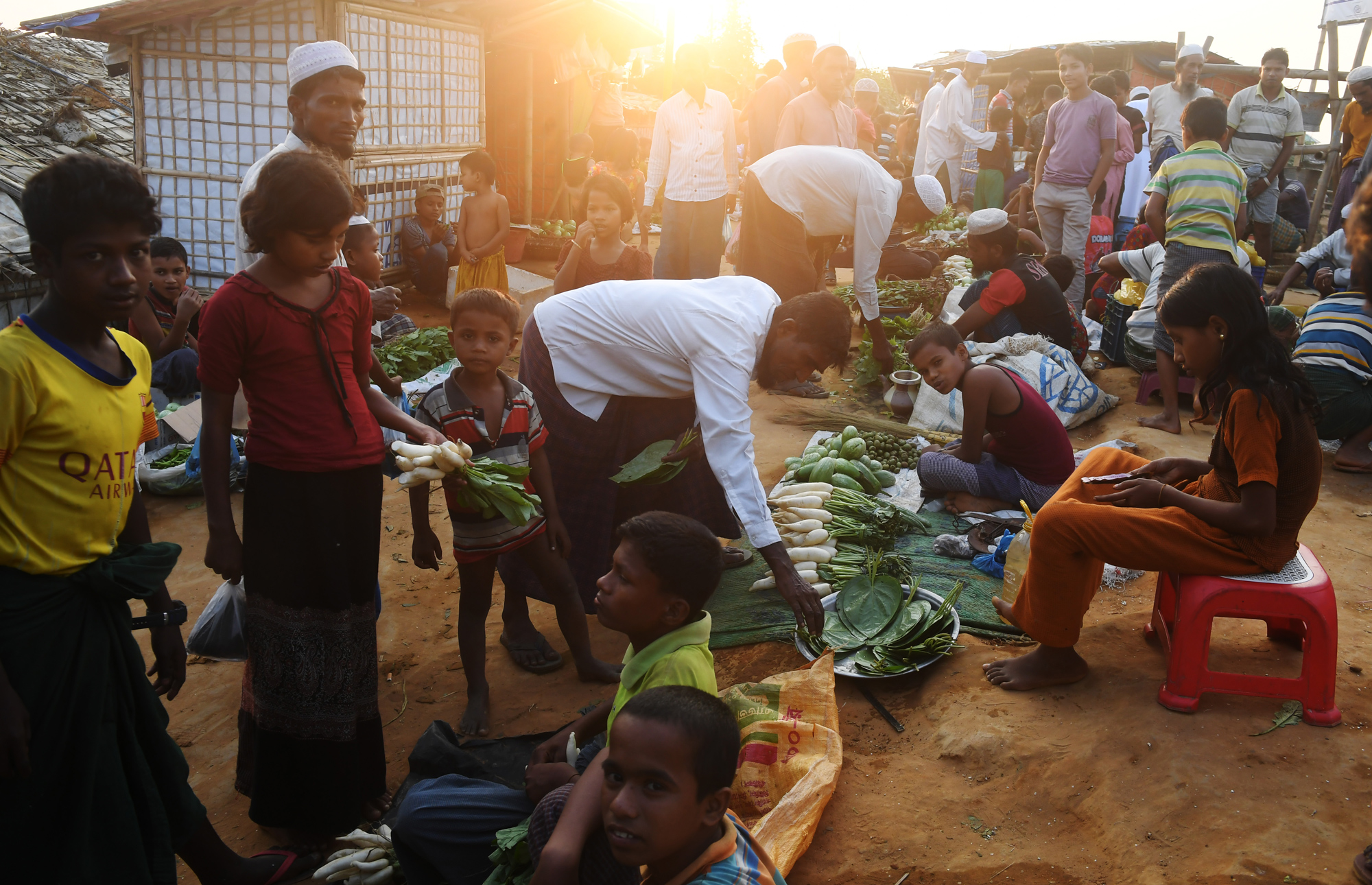
Southeast Asian leaders are facing pressure to take a tougher stance on Myanmar ahead of this weekend’s Asean summit amid accusations they’re failing to ensure the safe repatriation of hundreds of thousands of Rohingya Muslims.
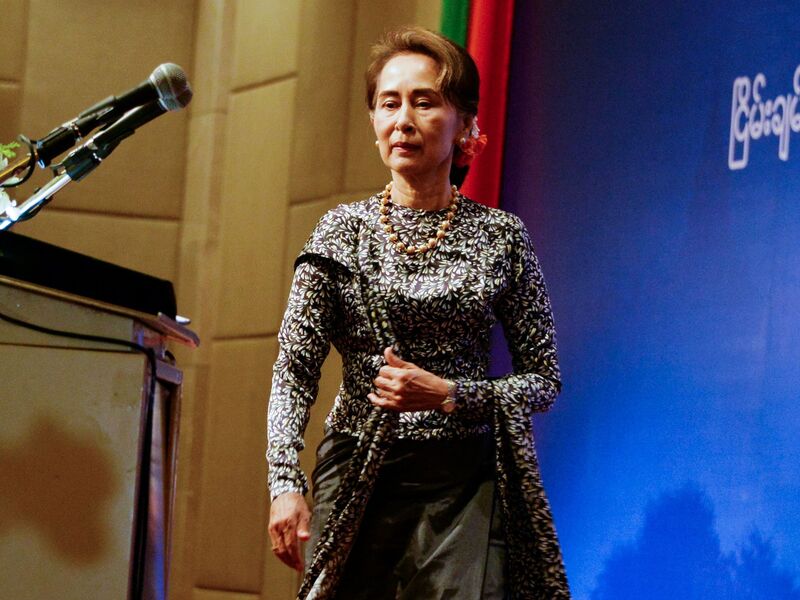
Myanmar’s de facto leader Aung San Suu Kyi is scheduled to attend the Association of Southeast Asian Nations summit in Bangkok, where regional leaders will discuss a host of issues including U.S.-China trade tensions and concerns over the South China Sea.
Asean has long been criticized for whitewashing the atrocities that forced more than 700,000 Rohingya to flee across Myanmar’s western border into Bangladesh at the onset of military attacks on Muslims villages in Rakhine state in 2017. As one of the largest ongoing humanitarian crises, the United Nations has likened the Rohingya plight to a genocide.
Myanmar has rejected the UN findings and says its military was taking action in response to terrorist incidents in the area.
An attempt to repatriate thousands of refugees was already delayed once in November amid safety concerns from the Rohingya community and rights groups.
“It’s preposterous for Asean leaders to be discussing the repatriation of a traumatized population into the hands of the security forces who killed, raped, and robbed them,” Human Rights Watch’s Asia director, Brad Adams, wrote in a separate statement on Wednesday.
But while leaders like Malaysian Defense Minister Mohamad bin Sabu say the Rakhine crisis has the potential to create instability in the region, they would not seek to interfere in Myanmar’s sovereign affairs.
“The Asean Charter spoke very strongly about the principle of non-interference, and Malaysia will continue to subscribe to this principle,” he said during a summit in Singapore earlier this month.
Credit: here