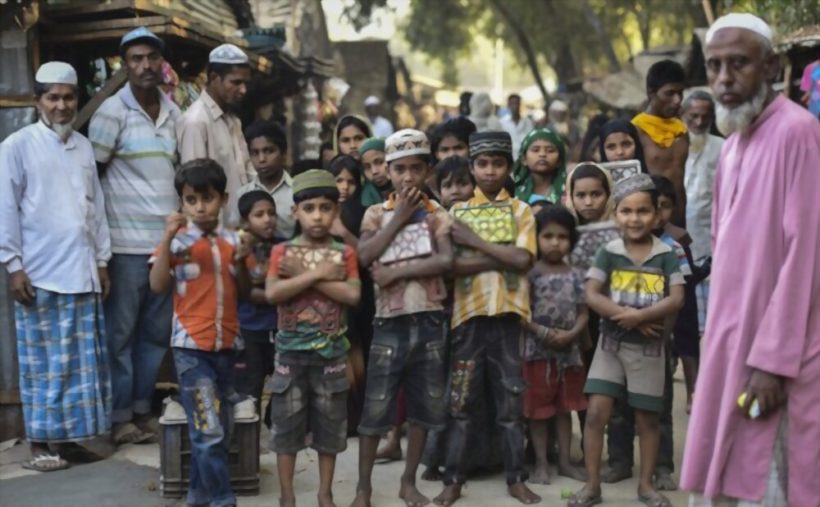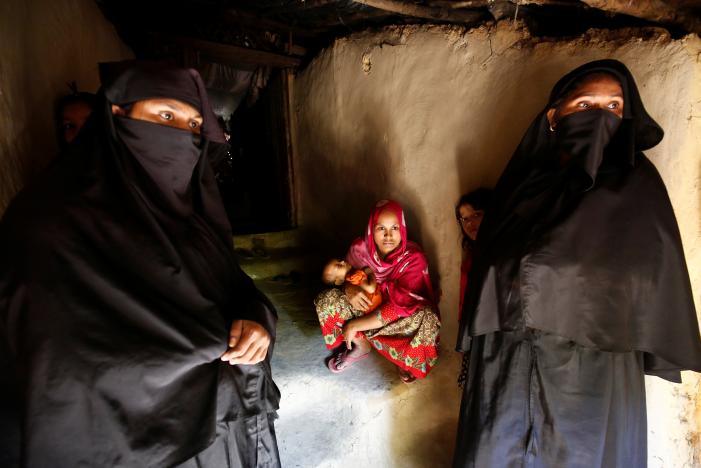
he Rohingya are often described as the world’s most persecuted minority. A Muslim minority of about 1.1 million people living mainly in the state of Arakan, in Myanmar, who are not recognised as citizens by the Burmese government.
Without a nationality, Rohingya Muslims have faced harsh persecution in their home state which has made thousands of them embark on dangerous journeys to Bangladesh, Thailand and Malaysia amidst reports of abuse.

In the latest development following their persecution, Malaysia has accused Myanmar of engaging in “ethnic cleansing” of the Muslim minority, as former United Nations chief, Kofi Annan, visited a burned-out village in violence-hit Rakhine state.
Malaysia’s statement noted that hundreds of thousands of Rohingya have fled to neighbouring countries in recent years, including approximately 56,000 to Muslim-majority Malaysia.
The Myanmar government has said that the Rakhine crisis is an internal issue, but observers are quick to point out that the issue is part of a long-term, systematic strategy by the government to remove the Rohingya minority.
Myanmar is made up of a predominantly Buddhist faith which accounts for 80 percent of the population, other groups include Burmese folk religion, Protestantism, Catholicism, Hinduism and Islam which makes up about 4 percent, according to a 2010 poll.
International pressure on the country is mounting as the continuous persecution and government restrictions have been likened to apartheid. Many of the “lucky ones” who make it out of Myanmar to neighbouring countries earn less than minimum wages and live in dire conditions, surrounded by waste and abject lack of concern from foreign governments. Many are trafficked to countries such as Malaysia with no idea what might occur, and with them are tales of horrors, from illness to violence and in many cases death.
According to Amnesty International, the Bangladeshi government has begun forcibly repatriate asylum seekers regardless of international law.
Parts of Rakhine, have been on military lockdown since October 9, where nine border police guards were killed in what appeared to have been coordinated attacks on security posts. The government said the assailants were Islamic militants and began its search for what it said were hundreds of Rohingya jihadists.
More than 150,000 people who normally receive life-saving assistance have been barred from food and medical aid for over six weeks.
Buddhist teachings tend to promote peace and compassion, as the first precept is abstaining from taking life, and the Buddha clearly stated that the taking of human or animal life would lead to negative karmic consequences.
So ,why has there been an ensuing dispassion among both ethnoreligious groups in Myanmar?
Source: here